


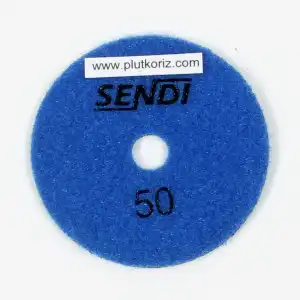

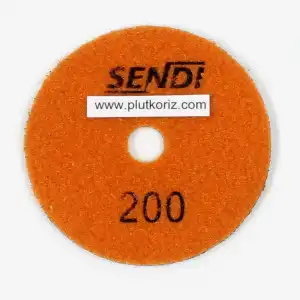
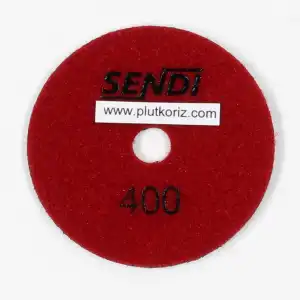
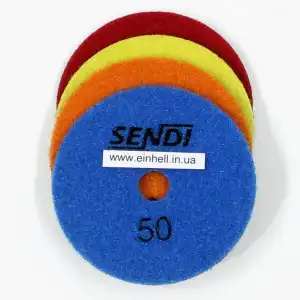
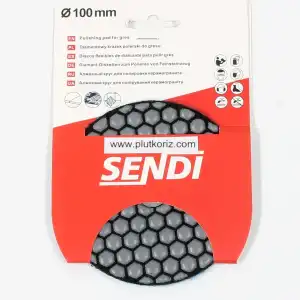
Sendi Polishing Pads, Grit 50 to 400
230,00 ₴
Description
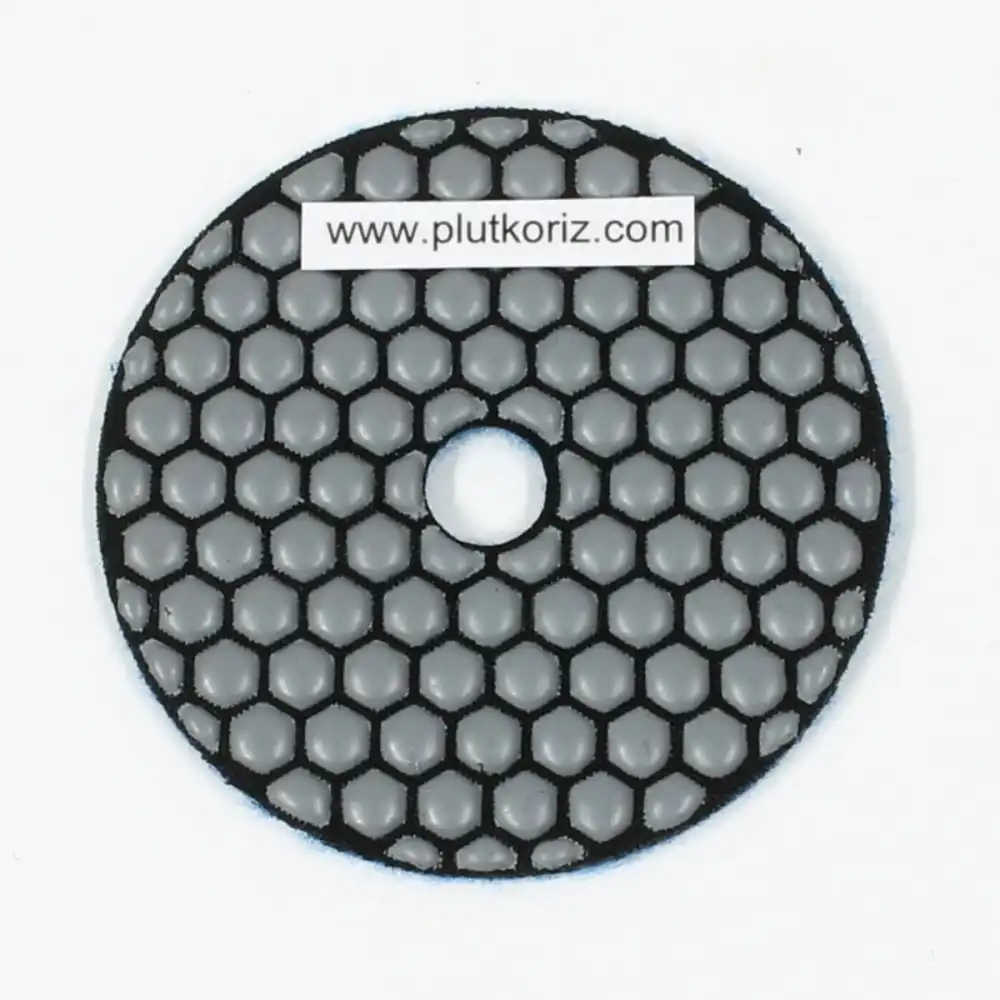
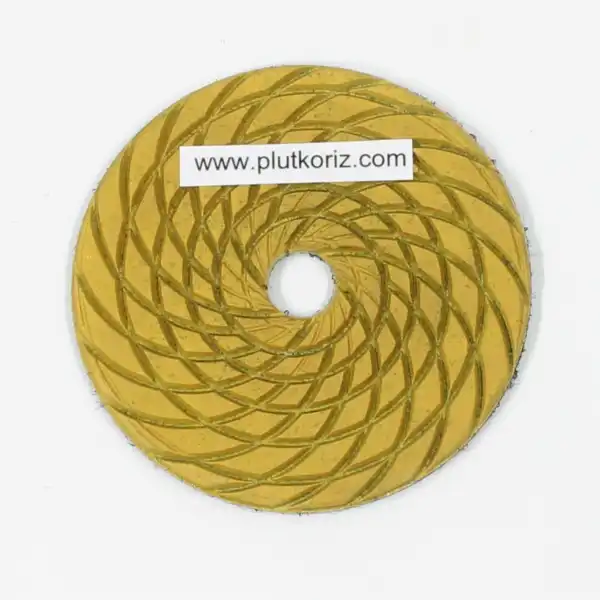
Sendi flexible diamond grinding pad
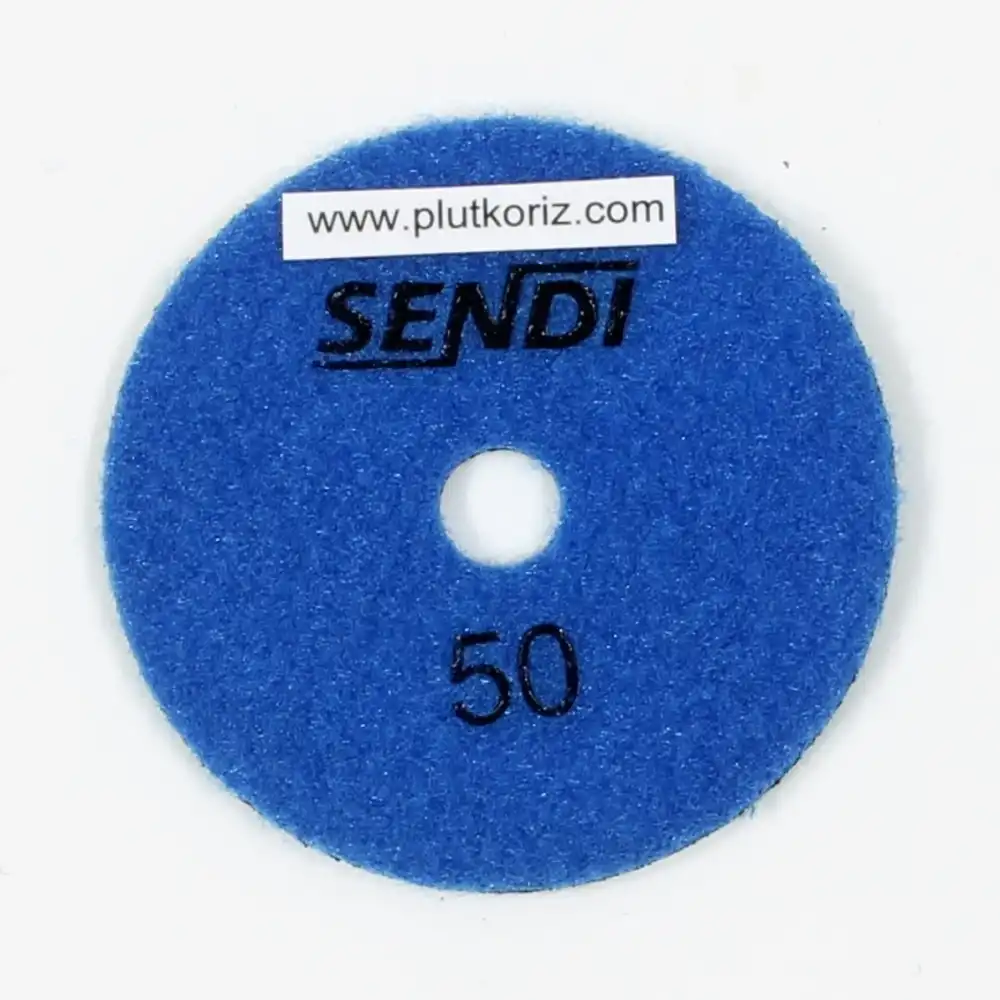
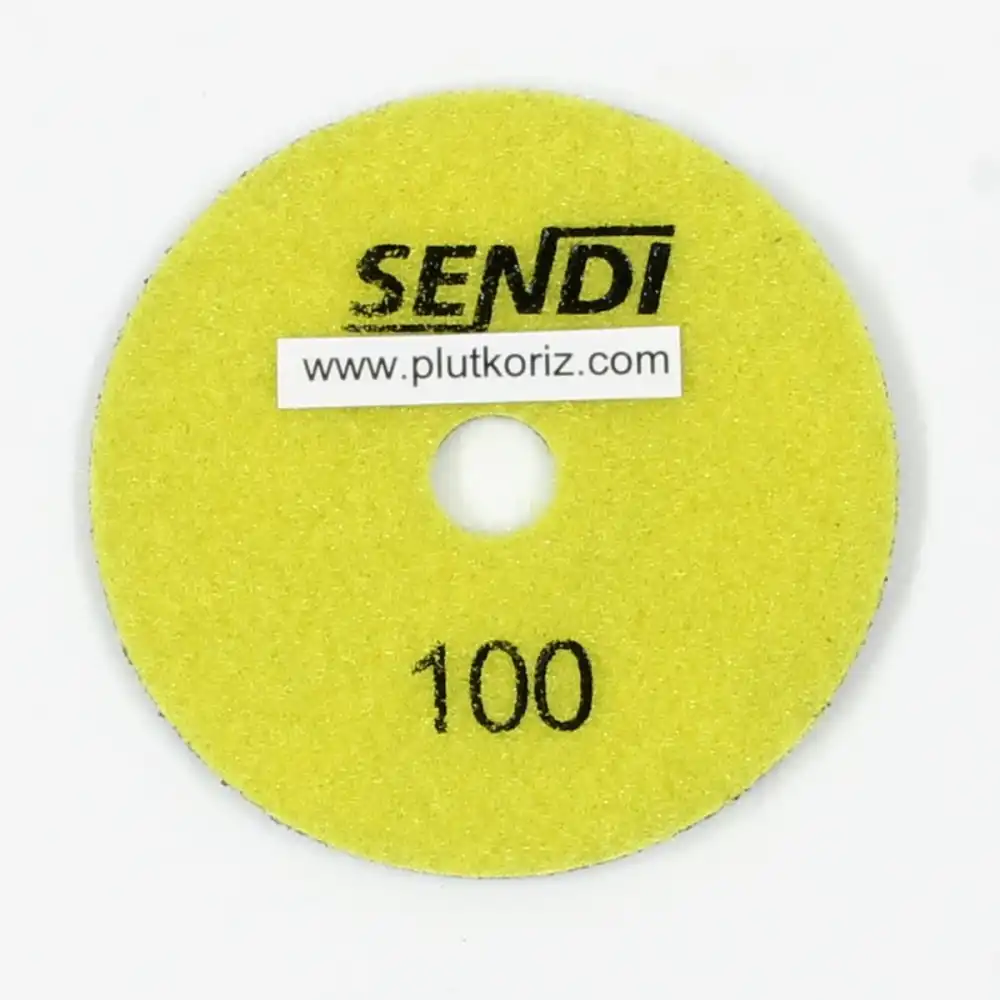
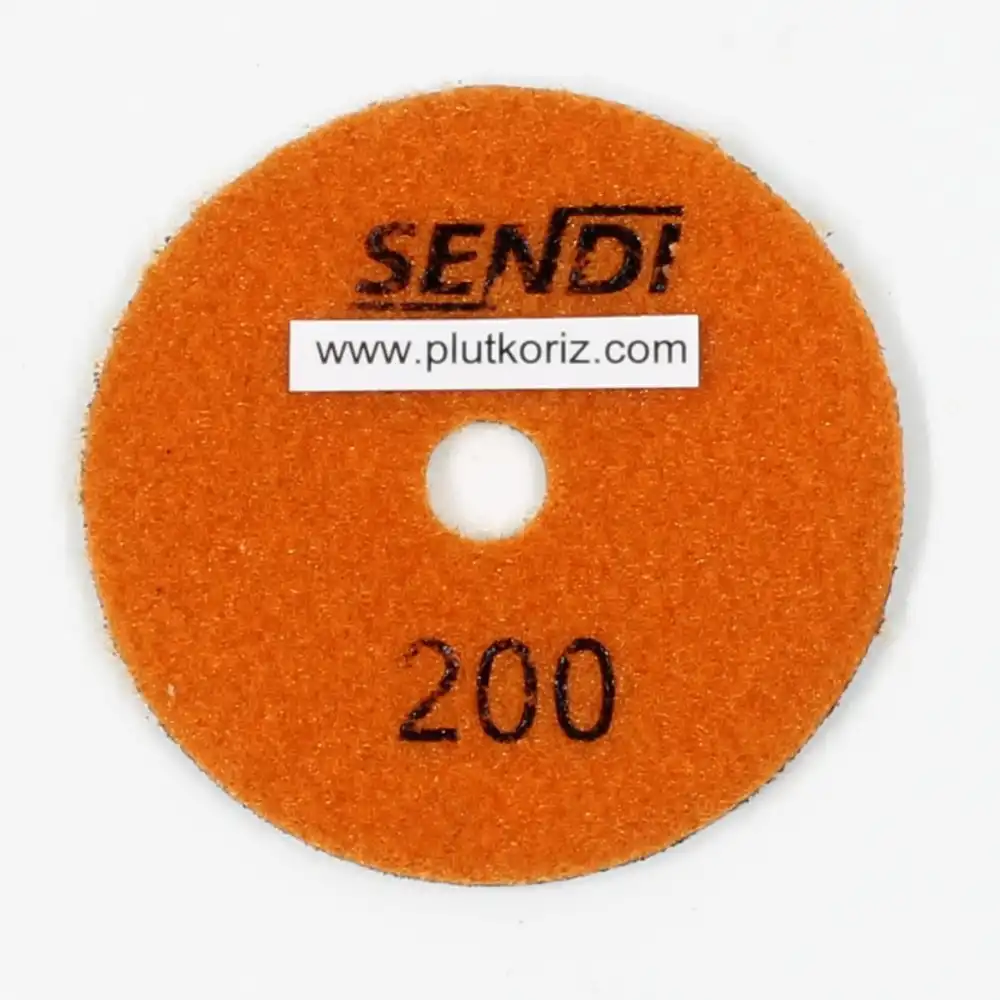
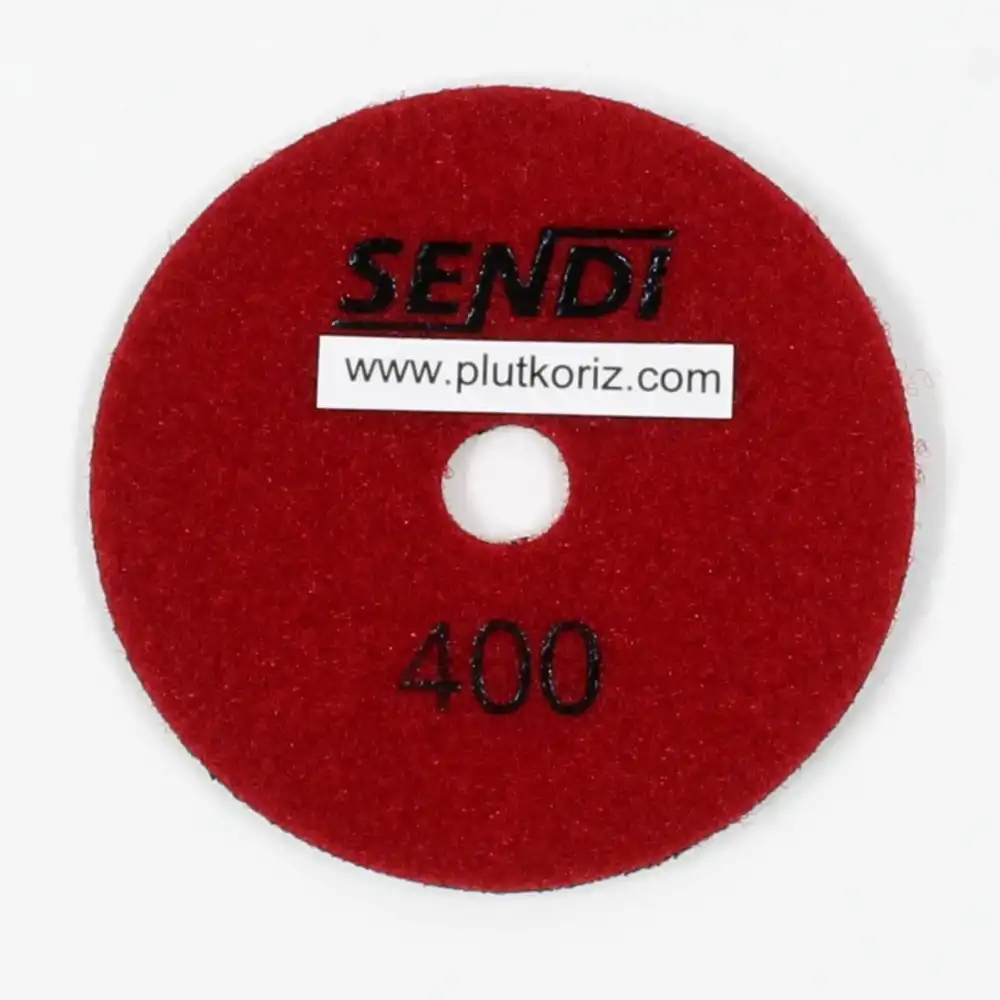
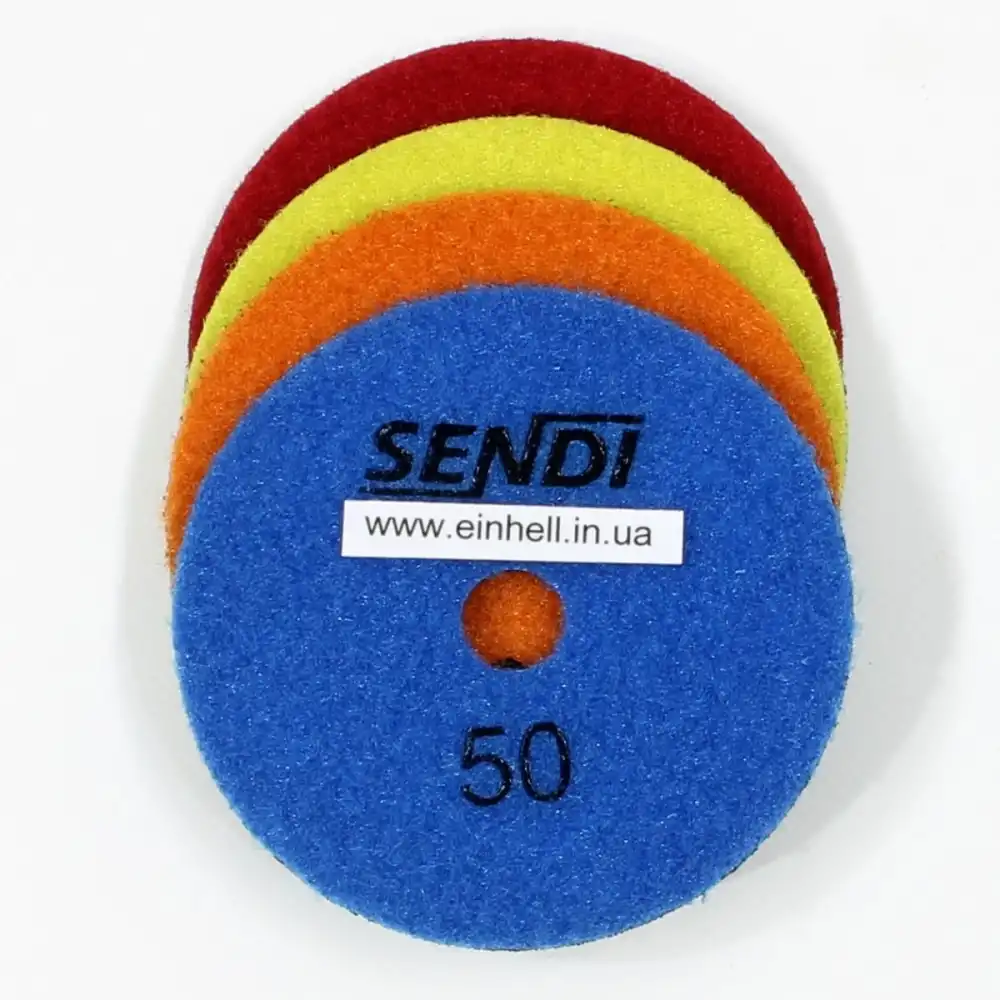
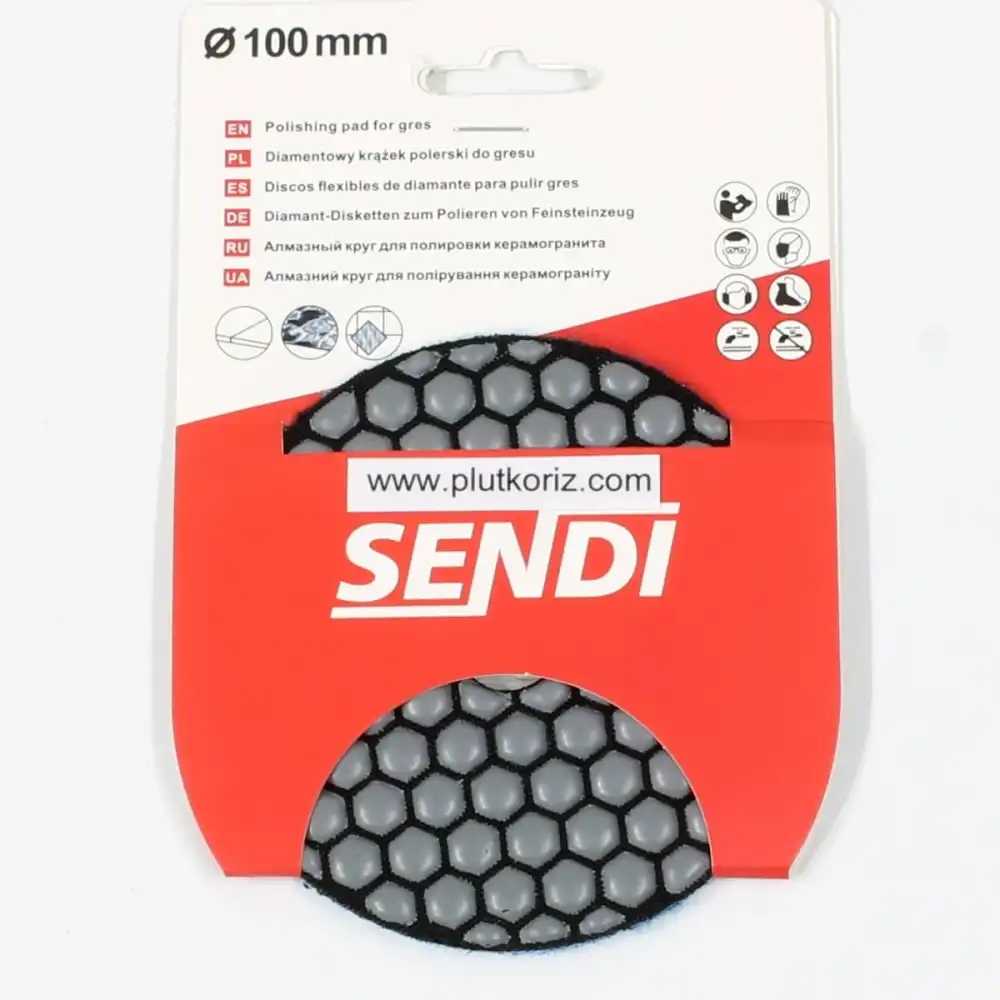
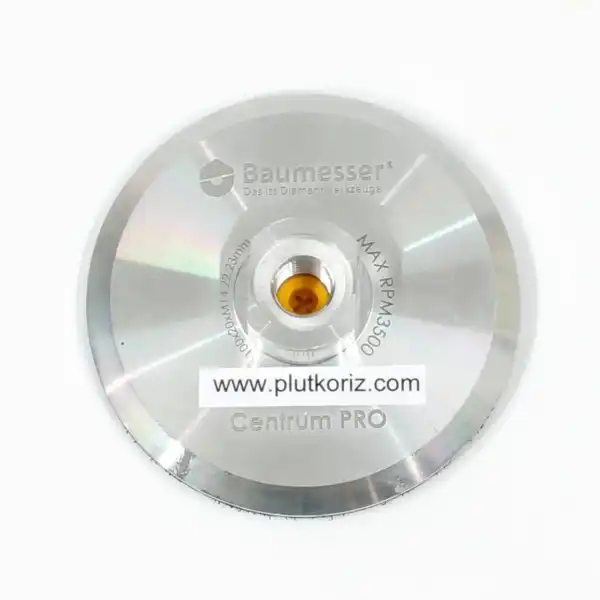
The Sendi flexible diamond grinding pad, grit 50, 100, 200, 400, is made for dry and wet grinding of various surfaces: ceramic tile, porcelain, granite, marble and other materials. The pad goes onto a backer (a base) with hook-and-loop. The backer screws onto an angle grinder.
Grinding is best done at around 2000 – 4000 rpm. That means the grinder has to have speed control and run on setting 1 or 2. The higher the number marked on the pad, the smaller the diamonds used and the gentler the grinding.
Flexible diamond pads are made with diamond grit that works as the abrasive, plus a hook-and-loop backing that fixes them to the backer. A grinder meant for flexible diamond wheels must have speed control. For the gentlest grinding you should not use an angle grinder at all but a polisher, running from 1000 rpm.
The pads are made for polishing and grinding marble, granite, concrete, ceramic and other materials. They stand out for high output and long wear compared with abrasive wheels.
Pads are used for professional polishing of stone surfaces and concrete structures. The flexible backing lets you work awkward spots, curved surfaces, corners and the edges of profiles:
- taking chamfers in soft materials (or micro-chamfers in hard ones);
- grinding stone window sills;
- polishing edges after a cut on the tile cutter;
- polishing decorative stone pieces (sculpture);
- grinding and polishing granite, ceramic and concrete surfaces.
Key parameters of flexible diamond pads
Flexible pads differ from one another in several ways. The main technical difference is the size of the diamond grit, which is marked with a number. The grading of numbers assigned to the pads to show the diamond grit fraction starts at 30, which marks the coarsest diamonds meant for initial rough work, and ends at 3500 – those pads are used for final polishing.
Initial work is a stage that uses the low, coarse numbers – they take out the visible unevenness, but they leave scratches of their own. The depth of those scratches drops as you move to higher numbers. Working gradually from lower to higher numbers is what gets you to the degree of polish you need.
When you work with wheels of different grit you have to bear the tool speed in mind. Pads numbered 30-80 are best used at 2000-4000 rpm. Pads above 1000 need the speed brought down to 1200-1500 rpm.
Additional information
| Abrasiveness | |
|---|---|
| Brand |
Video
Only logged in customers who have purchased this product may leave a review.
Reviews
There are no reviews yet.